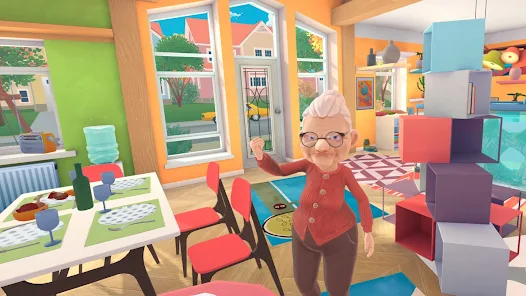
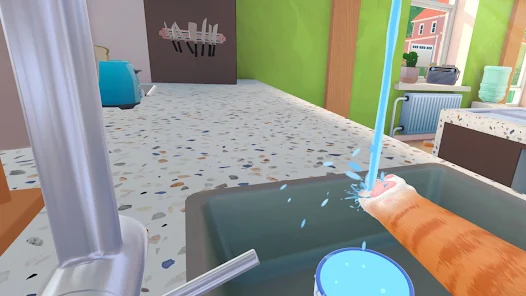
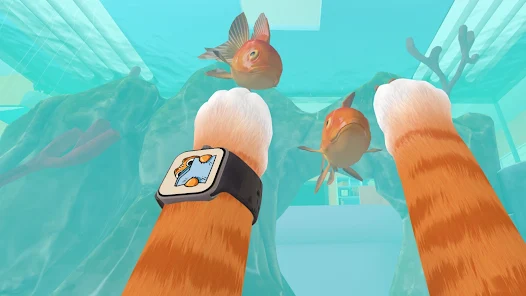
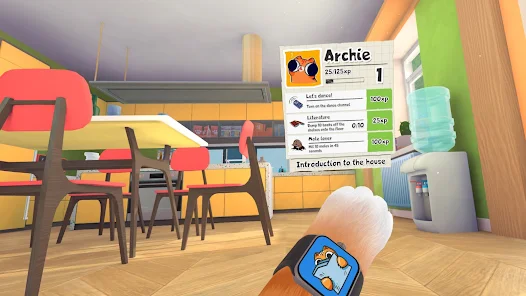
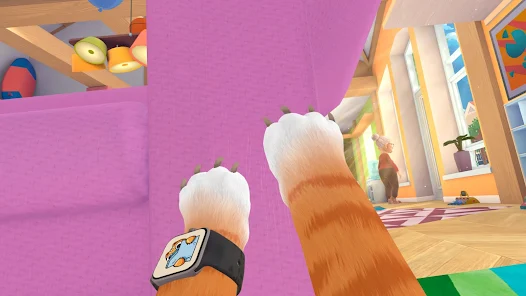
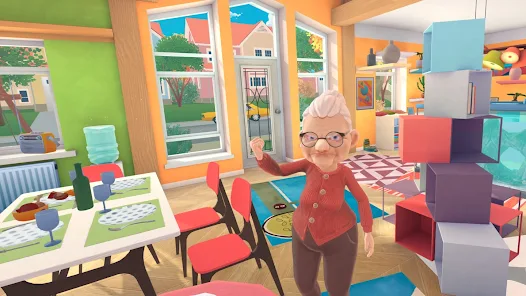
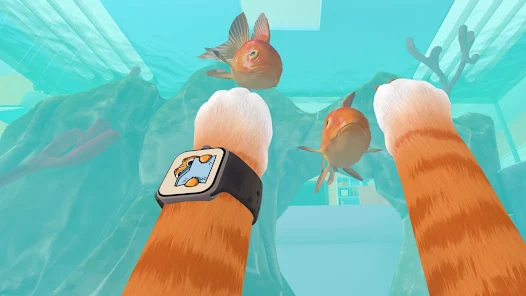
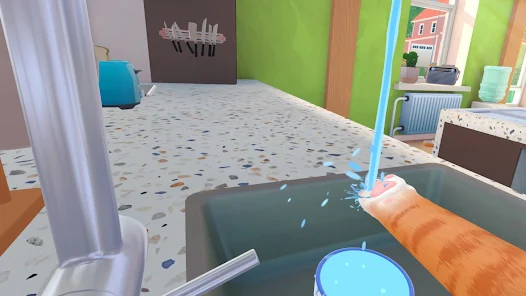
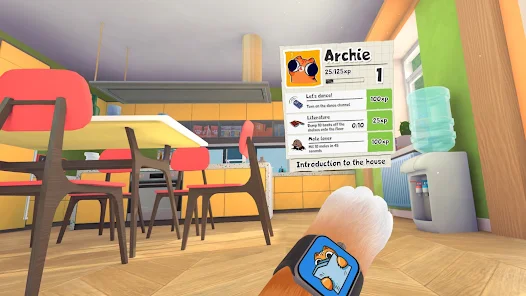
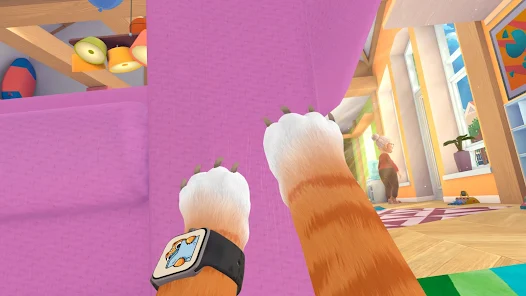
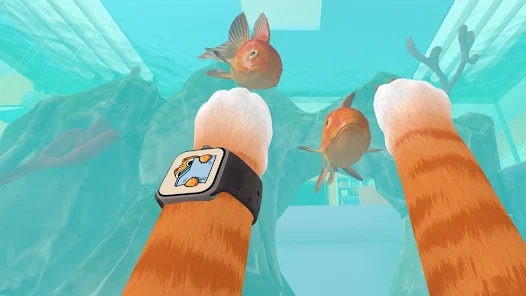
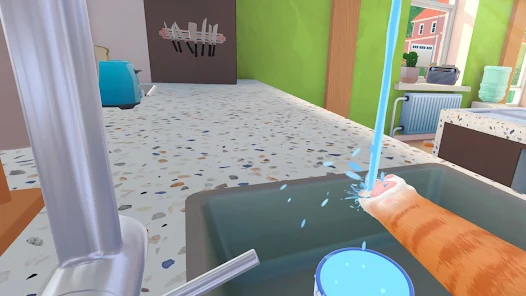
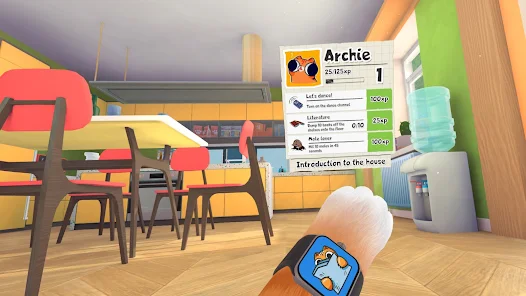
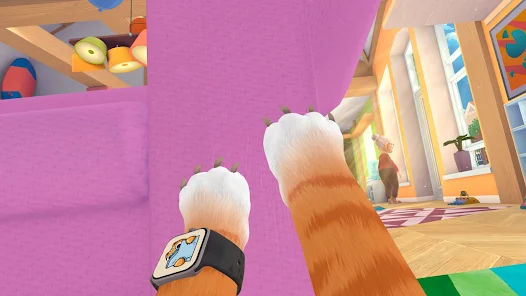
1) Immersive virtual pet experience with realistic cat behaviors, animations, and responsive AI. Users can customize appearance, personality, and routines; the app adapts to interactions over time, providing lifelike companionship without the responsibilities of a real pet—ideal for renters, allergy sufferers, or busy people seeking feline company.
2) Educational and therapeutic benefits through guided activities, training mini-games, and informational content that teach proper cat care, behavior, and health basics. Therapeutic modes reduce stress with calming interactions and ambient sounds, making the app useful for child education, seniors, or anyone seeking emotional support without long-term commitment.
3) Integrated social and AR features let users share pet videos, visit friends’ virtual cats, and join community events or competitions. Augmented-reality mode projects your cat into real environments for playful photos, while cloud sync and cross-device support keep progress and customizations accessible anytime.
1. Privacy and data collection risks: I Am Cat often requires camera, microphone, and location permissions to function; it may collect biometric or behavioral data and share it with third parties. Weak or unclear privacy policies increase the risk of surveillance, profiling, or unauthorized use of personal data.
2. Limited long-term value: The app's novelty features and gimmicks can become repetitive quickly, offering little sustained utility beyond brief entertainment. Sparse content updates, minimal customization, and few meaningful social or productivity integrations reduce user retention; once the novelty fades, users may uninstall or stop interacting.
3. Performance drains and intrusive monetization: Continuous background processing, AR filters, or live audio/video features can quickly drain battery, use excessive data, and consume storage. Additionally, aggressive ads, paywalls, or in-app purchases disrupt the experience, forcing upgrades for essential features and degrading overall usability.