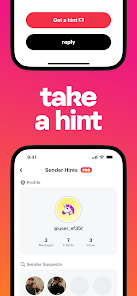
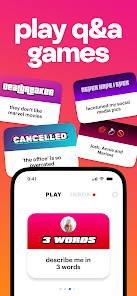
1) Anonymity encourages candid feedback and honest questions. Users who feel sheltered are more likely to share genuine opinions, confessions, and constructive criticism without fear of judgment. That openness can deepen self-awareness, reveal blind spots, and surface meaningful conversations you might not get through public or identified channels.
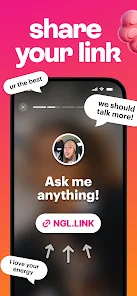
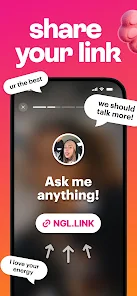
2) Seamless integration with social platforms drives engagement. Sharing an NGL link in stories or bios invites followers to interact privately, spurring curiosity and replies. The low-friction format boosts response rates, creates episodic content opportunities, and keeps audiences returning for updates and answers.
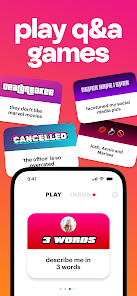
3) Quick, anonymous feedback is valuable for content planning or market research. NGL collects a range of viewpoints and unguarded reactions that surface trends, pain points, or content ideas. It's a low-cost way to test concepts, prioritize features, or generate authentic user-driven topics for posts and products.
1) Anonymity enables harassment and abuse; users can send bullying, hateful or sexually explicit messages without accountability, causing emotional distress and reputational damage. Limited moderation and lack of sender verification make it hard to block persistent offenders or trace false accusations, increasing risk of unchecked harmful content.
2) Privacy and data‑security risks: NGL collects anonymous messages and metadata that can be stored, shared, or monetized, creating potential for data breaches or targeted harassment. Integrations with social accounts and use of short links can reveal identities or location. Lack of clear retention and deletion policies heightens privacy exposure.
3) Low-quality, manipulative, or deceptive content: anonymous asks attract spam, scams, catfishing and fake compliments or accusations that erode trust and invite exploitation. Brief, contextless messages encourage misinterpretation, escalate conflicts, and can increase anxiety, social comparison, or disengagement from authentic social interactions, reducing wellbeing and school or work performance while parents and moderators struggle to intervene.