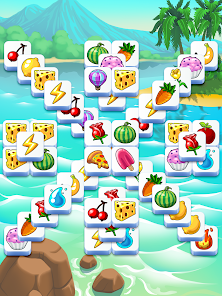
1) Simple, addictive gameplay: Tile Club’s match-and-clear mechanics are easy to learn but hard to master, letting players jump into quick sessions anytime. Casual controls and steadily increasing difficulty keep games engaging without frustration, making it suitable for short breaks or longer play when you want a satisfying puzzle challenge.
2) Mental stimulation and stress relief: Matching tiles trains pattern recognition, planning, and quick decision-making, offering gentle cognitive exercise. Short, focused rounds can provide a relaxing, low-pressure way to unwind. Regular puzzles and varying objectives help maintain concentration and give a sense of achievement that reduces stress and boosts mood.
3) Progression, rewards, and social play: A structured level system, power-ups, daily challenges, and in-game rewards keep long-term engagement rewarding and motivating. Social features like leaderboards or sharing progress let you compete or collaborate with friends, while varied tile types and obstacles introduce fresh strategic choices as you advance.
1) Frequent ads and aggressive in-app purchases disrupt gameplay, forcing waits or prompting payments to continue. Essential power-ups, extra lives, or progression gates often require purchase or watching multiple ads, degrading user experience and making steady advancement dependent on spending rather than skill. This model can frustrate free players and shorten long-term engagement.
2) Repetitive levels and limited variety make gameplay monotonous after short playtime. Challenges recycle similar mechanics and visuals, with few meaningful new features or strategic depth. Players seeking innovation or longer-term engagement may find progression shallow and lose interest once early novelty wears off. Regularly repeating reward systems worsen retention.
3) Heavy resource use and occasional bugs cause slow performance, battery drain, and crashes on older devices. Large downloads, constant background activity, or poor optimization increase storage and data usage. Network-dependent features can also limit play in offline situations, reducing accessibility for users with limited bandwidth and lead to negative reviews.